Cold Water Therapy
Every Saturday & Sunday morning
-
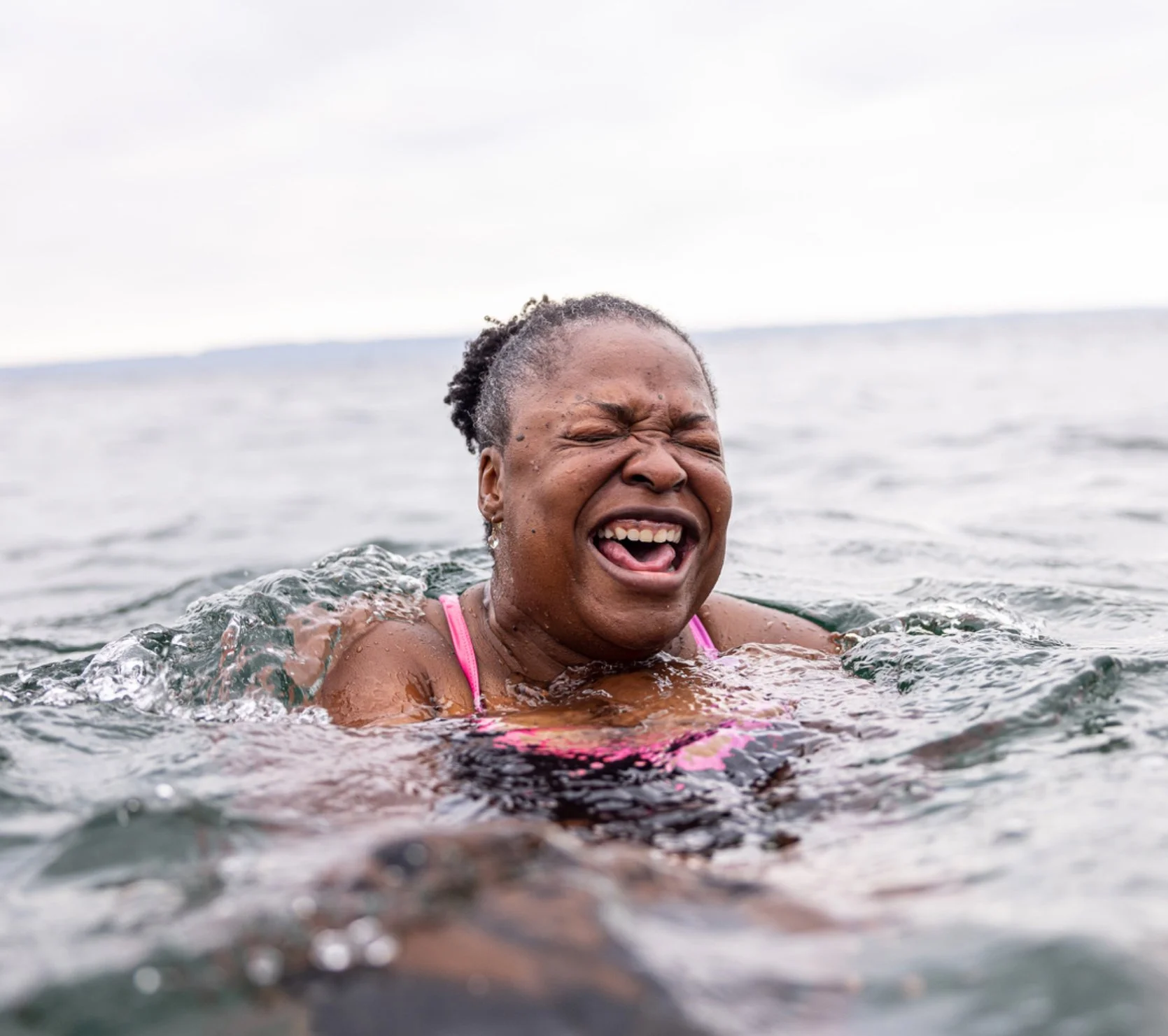
Cold water therapy is a coached, structured practice using controlled exposure to cold water to train the body and nervous system to remain calm under stress.
Rather than pushing limits, sessions focus on how you enter the water, how you breathe, and how you respond as the cold takes hold. Through guided immersion, you learn to slow the breath, soften physical tension, and prevent the panic response that cold water often triggers.
Each session is supervised and paced, with time spent both in and out of the water. The aim is to build familiarity and confidence with cold exposure, not to endure it.
Cold water therapy provides a strong foundation for open water swimming, helping you develop control, composure, and trust in your body before adding distance, movement, or environmental complexity.
-
Cold water therapy is an ideal starting point for anyone new to cold water environments and looking to build confidence before progressing to open water swimming.
Because sessions are coached and controlled, they allow you to learn how your body responds to cold without the added demands of distance, depth, or open water conditions. This makes it a practical and reassuring first step for beginners, and a solid foundation for future open water swimming.
It is also well suited to those who want a steady, grounding start to the day. The combination of cold exposure and guided breathing promotes mental clarity, improved mood, and a calm, focused state that carries into daily life.
For experienced swimmers, cold water therapy offers a way to adapt safely to colder temperatures, particularly when transitioning away from a wetsuit. It helps refine breathing control, improve cold tolerance, and build trust in the body’s response without unnecessary risk.
-
Proven and well-supported benefits of cold water therapy include:
Endorphin release
Cold exposure triggers a surge of endorphins and noradrenaline, often leading to improved mood, mental clarity, and a post-session sense of wellbeing.Antidepressant effects
Regular cold exposure has been shown to support mood regulation and may reduce symptoms of low mood by stimulating neurotransmitters linked to motivation and emotional balance.Improved blood circulation
Cold causes blood vessels to constrict and then dilate on re-warming, supporting vascular function and overall circulation.Blood pressure regulation
With controlled, repeated exposure, cold therapy may help improve vascular responsiveness, which can contribute to healthier blood pressure regulation in some individuals.Reduced inflammation
Cold exposure can help dampen inflammatory responses, supporting recovery and reducing general bodily inflammation.Immune system support
Regular cold water exposure has been associated with improved immune response and reduced frequency of illness in some studies.Improved sleep quality
Cold exposure earlier in the day may support better sleep by regulating stress hormones and promoting parasympathetic recovery afterward.Increased mental resilience
Learning to remain calm during cold exposure improves emotional regulation and tolerance to discomfort beyond the water.Enhanced focus and alertness
Cold water stimulates the nervous system, often resulting in sharper concentration and increased mental clarity following sessions.
-
Cold Water Therapy sessions run year-round on weekends.
Saturday: 9:45am - 10:30am
Sunday: 8:45am - 9:30am
Single Session - £7
-
All cold water therapy sessions are coached and fully supervised by trained staff.
Please book your space in advance.
Before your first session, please ensure you have read, signed, and returned all required documents, including the medical declaration and session expectations.
Cold water temperatures vary seasonally and are often colder in winter than typical ice baths, which are usually temperature-controlled. For this reason, winter immersions are brief and carefully managed, while warmer months allow for longer, more gradual exposure.
Sessions begin with light movement and stretching, followed by guided breathing to build awareness, calm, and control. Each session finishes with a supervised cold water immersion.
During the sessions, the coach’s presence in the water is at their discretion. If you are a non-swimmer or not confident in the water, we recommend booking a 1-to-1 session first, where the coach will be in the water with you.
Safety, composure, and presence are prioritised over immersion time. This is not an endurance-based activity.